



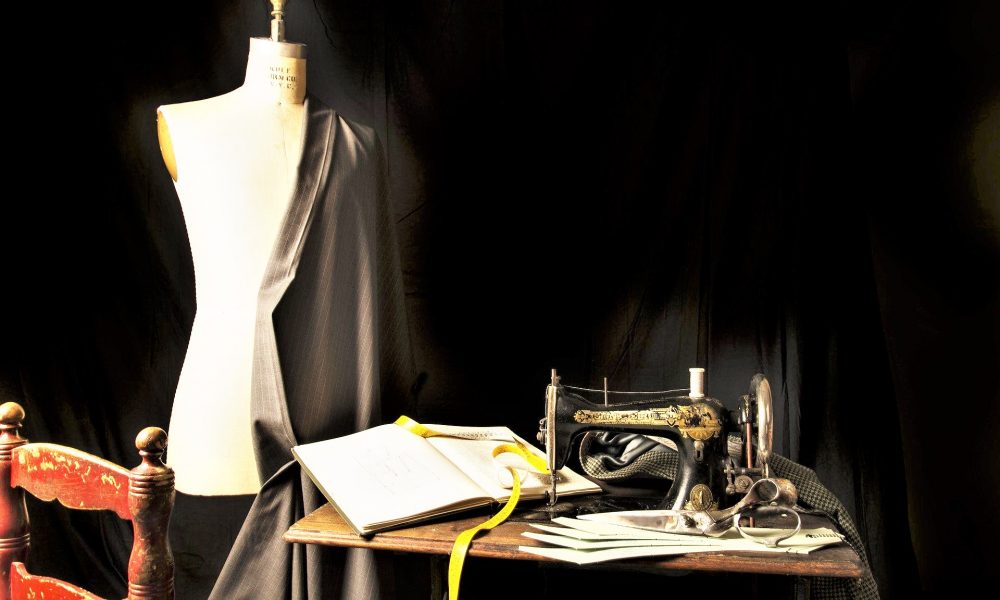
Italian High Craft Tailoring
Italian High Craft Tailoring
When was Italian craft tailoring born?
Some indicate the birth of Italian tailoring in the Middle Ages, between the 13th and 14th centuries, others around 1575, when theAntica Università dei Sartori, commissioned by Pope Gregory XIII, closed in 1801 and then reopened in 1947 by master tailor Amilcare Minnucci, in Via Rasella in Rome. Even today, the main aim of the current Accademia dei Sartori is the promotion and protection of the historical heritage of the category in all aspects, both those related to the tradition and culture of bespoke tailoring, and those related to professional training and product enhancement.
In the following years, from 1861 to 1946, Italian fashion was of high quality but did not yet have its own national character. In fact, many of the tailors’ workshops of the time drew on French fashion for women’s clothes and English fashion for men’s clothes. It was thanks to the success of Giovanni Battista Giorgini’s fashion show on 12 February 1951 that Italian fashion became known and established itself internationally. In the 1980s, Italian fashion became international and Made in Italy was finally born, still famous throughout the world and a positive example of genius and entrepreneurial spirit, typical of an Italy in full economic and social development.
Entering a handcrafted tailor’s workshop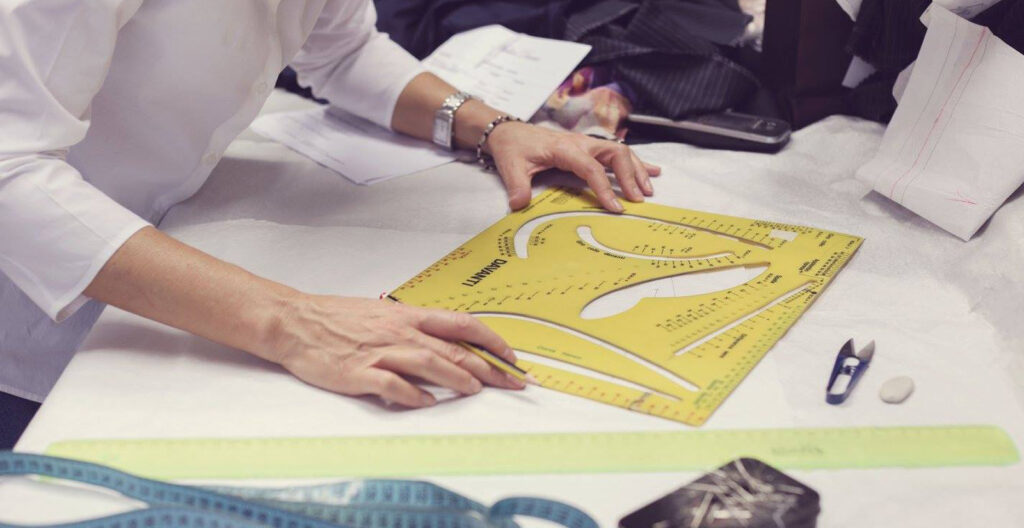
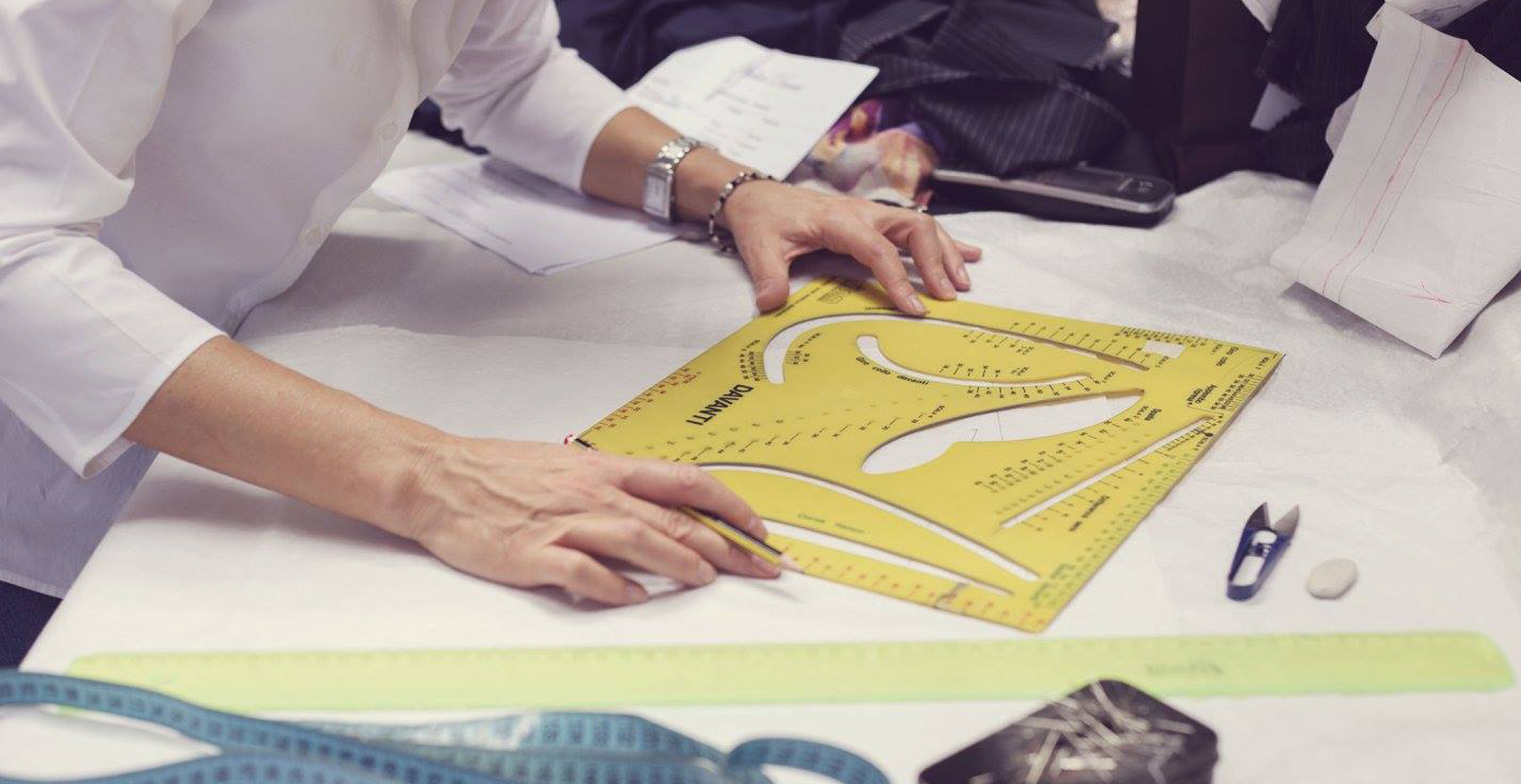
In order to better understand the art and value of a sartorial garment, it is advisable to delve into the most significant aspects of the tailor’s noble craftsmanship; a job that can only be started by passion, with the support of one’s own talent and adequate technical preparation, recovering ancient techniques in the wake of the best Italian sartorial tradition.
The making of a sartorial suit involves several stages, from the design of the suit, the choice of the most suitable fabric for making that particular suit, the development of the pattern, the cutting of the pieces of fabric and their assembly (hand basting), to the fitting of the garment, hand and machine stitching and, finally, the finishing touches, which must be done strictly by hand.
Working in a bespoke tailoring and customer relations
Listening to and interpreting the personality and taste of the customer, woman or man, is the basis of the good result of a tailor-made garment. A pencil stroke on a blank sheet of paper and the idea begins to take shape: a kind of sketch of the customer’s look.
In order to achieve the desired effect, the choice of fabrics, yarns and other haberdashery items is crucial, with particular attention to quality.
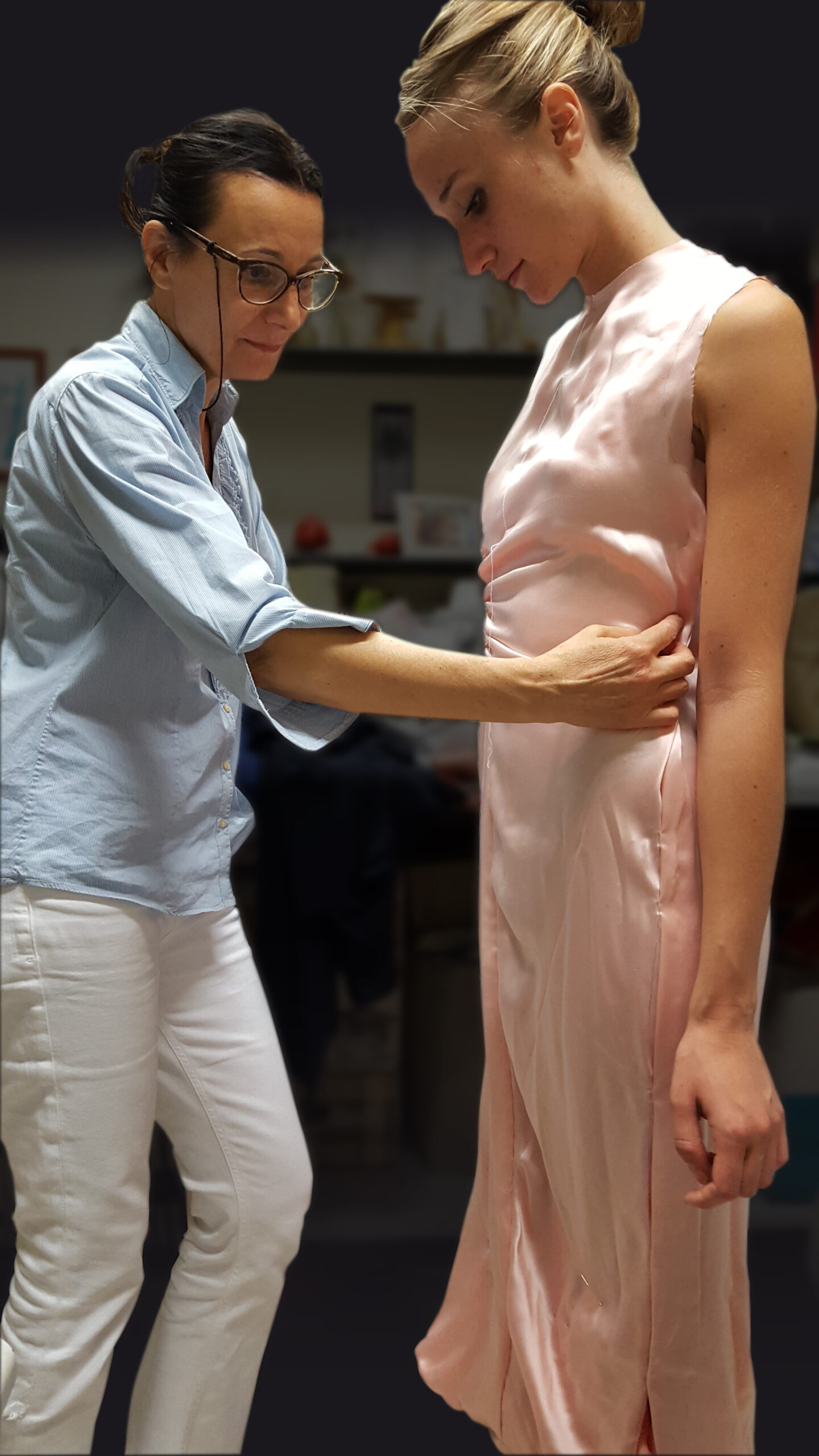
The measurements of the customer’s body, in all its parts, will make the garment a second skin, eliminating any small aesthetic defect that may arise. The pattern of the garment is reproduced on paper and then the fabric is cut and shaped on the mannequin. First test, with the final and definitive shaping. The final touch is the perfection of the finish and the attention to detail.
Depending on the situation, the customer can be offered ready-made models to choose from, or a new and original model can be created to the customer’s specifications.
But tailoring activities are not limited to making new clothes. In fact, it is often the case that valuable garments with out-of-date lines are discarded in the wardrobe.
In this case, coats, jackets, suits, formal dresses, trousers, skirts and even ties can be given a new lease of life by restyling them to give them a touch of modernity and comfort, while leaving their value intact.
Would you like to become a seamstress?
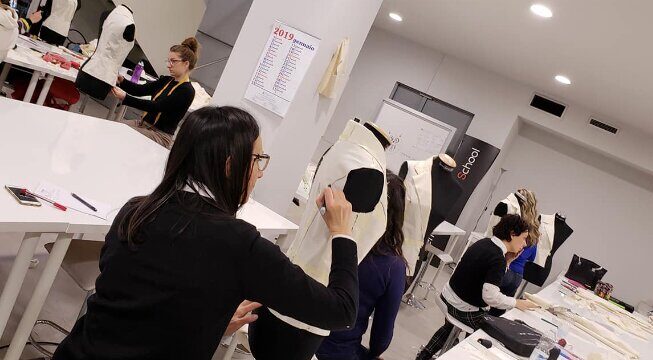
Becoming a seamstress is an excellent choice for those who appreciate craftsmanship and are interested in fabrics, clothes and fashion. It is a fascinating profession that requires manual dexterity, creative flair, and at the same time great precision.
This art needs a generational change that is extremely important to ensure new life for Italian craft tailoring. Therefore, anyone wishing to approach the profession of a dressmaker can take a professional tailoring course to learn how to make any type of garment. The courses provide theoretical knowledge on tailoring terminology, textile merchandise (fabrics, yarns, textiles), classification of clothes and sizes, and practical skills to take measurements, create patterns, mark and cut fabric (open, double and bias cut), sew by hand with needle and thread, use sewing machines, embroidery machines, stitch-cutters and irons.
In addition, a seamstress can deepen her training and acquire specific skills to become a stylist, patternmaker or textile designer.
A seamstress can work in a variety of settings, from small tailoring repair workshops to ateliers.
Comments are closed